High-efficiency, gas heating appliances (90+% AFUE boilers, furnaces and hot water heaters) are more popular than ever in the U.S.—with demand expected to keep climbing. But there’s a silent issue associated with these next-generation appliances that many overlook or are simply not aware of: acidic condensate.
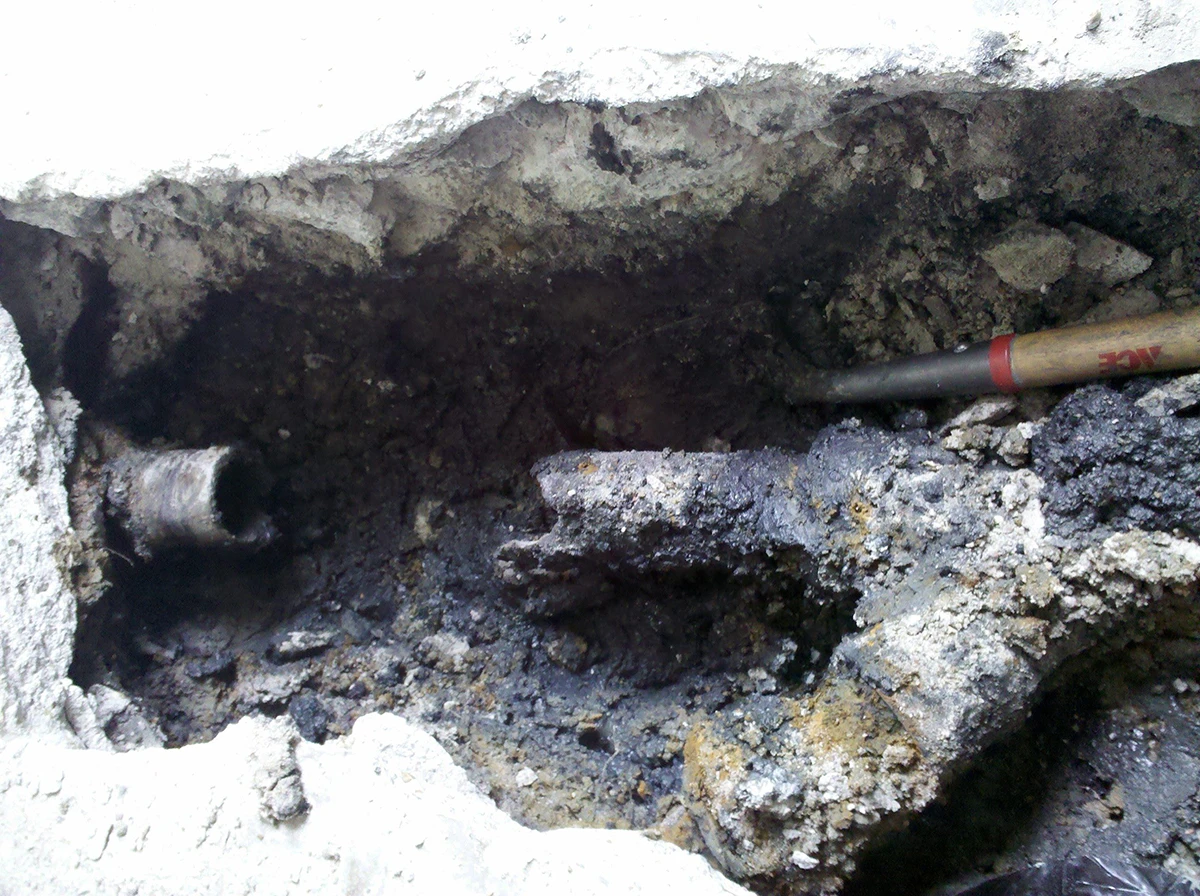
Acidic condensate is the byproduct of the condensing phase in high-efficiency, gas heating appliances. But unlike HVAC condensate that rolls off the coils in an AC unit, acidic condensate is corrosive (with low pH of 2.9-4.0) because it includes various acids from burning natural gas. If discharged untreated, this residue can damage plumbing, concrete foundations, floor drains, septic systems and other wastewater infrastructure.
A condensate neutralizer should be installed on every high-efficiency, gas appliance to prevent these types of potential damages. A condensate neutralizer is a reliable, purpose-built product, which works like a filtration device to safely and effectively treat the acidic condensate created from high-efficiency, gas heating appliances.
Condensate neutralizer installation is now a code requirement
But did you know that condensate neutralizer installation is not only the right thing to do to prevent costly damage, it’s also a code requirement in most of the U.S. Although condensing technology was first commercialized decades ago, regulatory bodies have only recently created codes that address the issue of acidic condensate. Here are the latest code developments that HVAC and plumbing industry pros should be aware of:
- Environmental Protection Agency (EPA) regulation prohibits the discharge of corrosive pollutants (defined as a pH reading below 5) into the public works (Section 403.5(b)(2)).
- In recent years, the plumbing and mechanical code authorities have started to address the acidic condensate corrosion issue head-on as well. Beginning with the 2018 International Plumbing Code (IPC), which has been adopted by at least 37 states and various municipalities, neutralizing devices are considered essential (Section 803.1). Similarly, the National Standard Plumbing Code (NSPC) requires condensate neutralizer installations to treat corrosive wastes before entering a drainage system (9.4 Special Wastes 9.4.1 Treatment of Corrosive Wastes).
- Some local municipalities around the country have followed suit and are introducing code amendments to address acidic condensate. For example, the NYC Mechanical Code Section 307 directly addresses condensate from fuel-burning appliances. Similarly, the Maine Fuel Board now states that “whenever a fuel-fired condensing appliance is installed, the condensate must be disposed of in the following manner…an approved neutralizer must be installed.”
Next steps to meet evolving codes
JJM Alkaline Technologies®, the industry pioneer, supplies HVAC and plumbing industry pros with reliable, purpose-built condensate neutralizers to effectively treat acidic condensate and prevent condensate corrosion and in turn, ensure code compliance. JJM® products are designed with industry pros in mind: versatile to install, quick and easy to service, and purpose-built for specific gas heating appliances. JJM® condensate neutralizers are proudly Made in America.
JJM® provides factory training opportunities—both in-person and online—designed and taught by the industry's leading manufacturer of condensate neutralizers. Request a training session from JJM® today.
To buy from the pHirst and the best, click on our “Where to Buy” page to track down a JJM® authorized distributor. If your preferred distributor doesn’t stock JJM® yet, ask them to contact us (ask for the Blue Label).